The Complete Guide to Equipment Financing for Dallas Businesses
Everything Dallas business owners need to know about equipment financing: how it works, eligibility requirements, tax benefits, and how to get started.

The Complete Guide to Equipment Financing for Dallas Businesses
Equipment financing is one of the most powerful tools available to Dallas businesses looking to grow without depleting their cash reserves. Whether you need construction equipment, medical devices, restaurant machinery, or technology infrastructure, understanding how equipment financing works can help you make smarter financial decisions.
What Is Equipment Financing?
Equipment financing is a type of business loan or lease that allows you to acquire equipment for your business while spreading the cost over time. Instead of paying the full purchase price upfront, you make monthly payments over a set term, typically ranging from 1 to 10 years.
The key advantage? The equipment itself serves as collateral, which often makes approval easier than unsecured business loans.
How Equipment Financing Works
The process is straightforward:
- Identify your equipment needs - Know what you’re buying and from which vendor
- Apply for financing - Submit your application with basic business information
- Get approved - Receive multiple offers with different terms and rates
- Choose your structure - Select a loan or lease that fits your needs
- Acquire your equipment - Funds go directly to the vendor
Equipment Loan vs. Equipment Lease
Understanding the difference between loans and leases is crucial for making the right choice.
Equipment Loans
With an equipment loan, you own the equipment from day one. You make fixed monthly payments that include principal and interest, and at the end of the term, you own the equipment outright with no further payments.
Pros:
- Build equity in your assets
- Depreciation and interest are tax-deductible
- No restrictions on equipment modifications
- Often lower total cost than leasing
Cons:
- Higher monthly payments
- May require a down payment
- Risk of owning outdated equipment
Equipment Leases
With a lease, you’re essentially renting the equipment for a set period. At the end of the lease, you typically have options to purchase, return, or upgrade.
Pros:
- Lower monthly payments
- Lease payments may be fully tax-deductible
- Easier to upgrade to newer equipment
- Often requires no down payment
Cons:
- Don’t build equity during the lease
- May pay more over time if you eventually purchase
- Restrictions on modifications
Section 179 Tax Benefits
One of the biggest advantages of equipment financing is the potential for significant tax savings through Section 179 of the IRS tax code.
Section 179 allows businesses to deduct the full purchase price of qualifying equipment in the year it was purchased, rather than depreciating it over several years.
For 2024:
- Deduction limit: Up to $1,160,000
- Spending cap: Applies to equipment purchases up to $2,890,000
This means if you finance $100,000 in equipment, you could potentially deduct the entire $100,000 from your taxable income in that year—even though you’re making payments over time.
What Equipment Can Be Financed?
Nearly any type of business equipment can be financed, including:
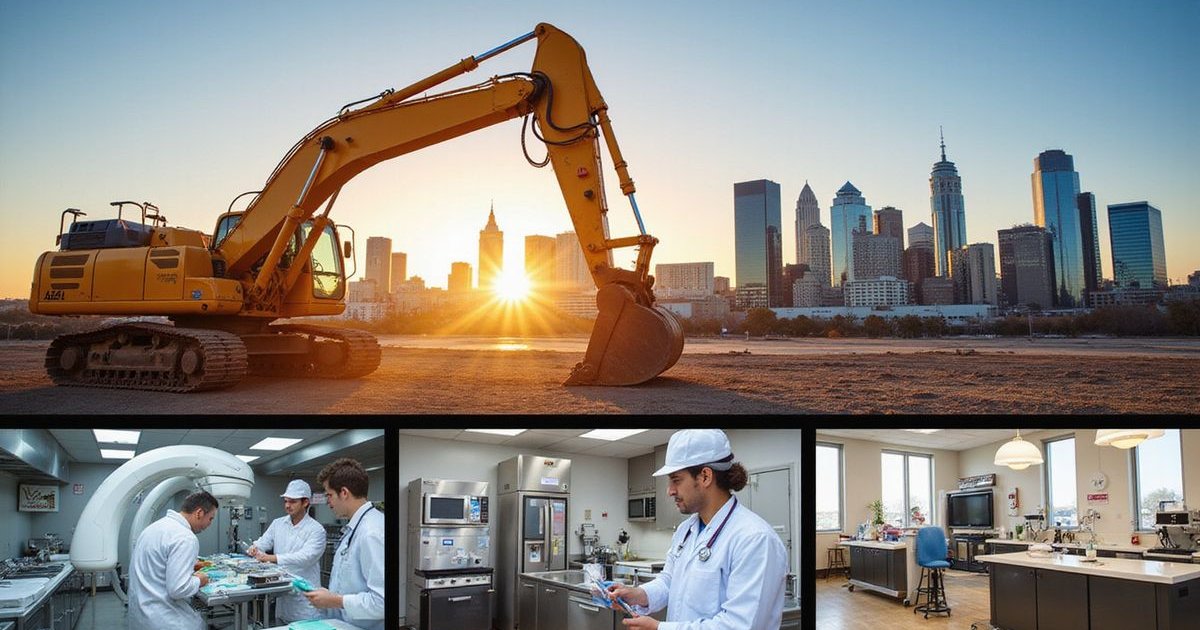
- Construction: Excavators, loaders, cranes, concrete equipment
- Manufacturing: CNC machines, assembly line equipment, robotics
- Medical/Dental: Imaging equipment, exam chairs, diagnostic tools
- Restaurant: Commercial ovens, refrigeration, POS systems
- Transportation: Trucks, trailers, forklifts, delivery vehicles
- Technology: Servers, computers, networking equipment
- Agriculture: Tractors, harvesters, irrigation systems
Qualification Requirements
Equipment financing requirements are generally more flexible than traditional bank loans because the equipment serves as collateral.
Typical requirements:
- Minimum 6-12 months in business
- Minimum $10,000-$15,000 monthly revenue
- Personal credit score of 550+ (though higher scores get better rates)
- Business bank account in good standing
What lenders look at:
- Monthly revenue and cash flow
- Time in business
- Industry and equipment type
- Credit history (business and personal)
- Existing debt obligations
Financing Amounts and Terms
Equipment financing can accommodate a wide range of needs:
- Loan amounts: $10,000 to $10,000,000+
- Terms: 1 to 10 years
- Down payments: 0% to 20% depending on qualification
- Interest rates: Vary based on credit, term, and equipment type
The best terms go to businesses with strong financials, good credit, and valuable equipment that holds its resale value.
How to Get the Best Rate
To secure the most favorable equipment financing terms:
- Improve your credit score - Higher scores mean lower rates
- Demonstrate strong cash flow - Consistent revenue builds lender confidence
- Provide a down payment - Reduces lender risk and can lower your rate
- Choose equipment wisely - Equipment with good resale value is easier to finance
- Compare multiple offers - Don’t accept the first offer you receive
Getting Started with Equipment Financing in Dallas
Ready to upgrade your business equipment? Here’s how to begin:
- Determine your equipment needs and budget - Know what you need and what you can afford monthly
- Gather basic documentation - Business bank statements, tax returns, equipment quotes
- Apply for pre-qualification - Get an estimate with no credit impact
- Compare offers - Review rates, terms, and total costs
- Choose and close - Select the best option and finalize your financing
The Dallas-Fort Worth area is home to thousands of businesses across every industry, and equipment financing has helped countless local companies grow. From construction firms in Grand Prairie to medical practices in Richardson, businesses throughout the metroplex rely on equipment financing to stay competitive.
Ready to Finance Your Equipment?
Whether you’re looking to purchase your first piece of major equipment or expand your existing fleet, equipment financing provides a path to growth without sacrificing working capital.
Get pre-qualified in 60 seconds with no impact to your credit score, and see what financing options are available for your Dallas business.